
When most people think about an injury, they often focus only on the physical area affected. However, physical trauma, surgery, emotional stress, medications, and nervous system dysregulation may affect much more than the injured area itself.
Research continues to explore how stress, inflammation, injury, and medications may influence digestion, immune balance, microbial diversity, and overall wellness.
At Refresh Your Soul, we often remind clients that healing involves the entire body — not just one isolated system.
Understanding the Gut-Brain Connection
The digestive system and nervous system remain closely connected through the gut-brain axis.
This communication system involves:
- Neural pathways
- Hormones
- Immune signaling
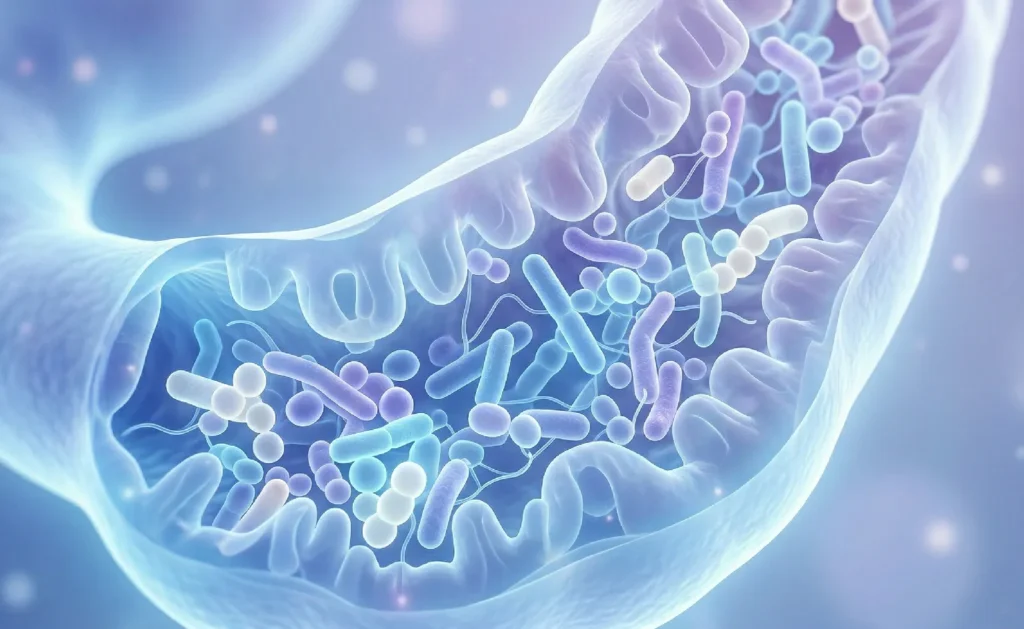
- The gut microbiome
During periods of injury or emotional stress, the body activates the sympathetic nervous system, often called the “fight-or-flight” response.
While protective in acute situations, prolonged stress activation may negatively influence:
- Digestion
- Gut motility
- Microbial balance
- Intestinal permeability
- Inflammation regulation
Many individuals notice digestive symptoms worsen during stressful or physically demanding periods.
Common Digestive Symptoms During Stress or Recovery
Stress, trauma, injury, and nervous system dysregulation may contribute to symptoms such as:
- Bloating
- Constipation
- Loose stool
- Abdominal discomfort
- Acid reflux
- Food sensitivities
- Fatigue
- Brain fog
- Appetite changes
Physical injury itself may also increase inflammatory signaling throughout the body, placing additional demands on digestion and immune balance.
How Medications May Influence Gut Health
Following surgery or injury, medications are often medically necessary and appropriate for recovery. However, some medications may also affect digestive function and microbial diversity.
Examples may include:
- Opioid pain medications slowing gut motility
- Antibiotics affecting microbial balance
- NSAIDs irritating the gastrointestinal lining in some individuals
- Stress hormones altering digestive secretions and immune signaling
This does not mean medications should be avoided when medically appropriate. Instead, it highlights the importance of supporting the body during periods of increased physiological stress.
Reduced Movement and Digestive Function
Recovery periods often involve reduced movement due to pain or limited mobility.
Reduced physical activity may influence:
- Circulation
- Lymphatic flow
- Digestion
- Bowel regularity
- Detoxification pathways
Supporting hydration, healthy elimination, and movement when medically appropriate may help support overall recovery.
Helpful supportive practices may include:
- Staying hydrated
- Supporting healthy bowel movements
- Prioritizing protein intake
- Gentle movement when appropriate
- Stress reduction practices
- Quality sleep
- Anti-inflammatory nutrition strategies
Supporting the Nervous System During Healing
Nervous system regulation plays an important role in healing and recovery.
Chronic stress and prolonged sympathetic activation may negatively affect:
- Digestion
- Sleep
- Immune function
- Recovery processes
Simple supportive practices may include:
- Deep breathing
- Meditation
- Gentle stretching or yoga
- Walking outdoors
- Prayer or mindfulness practices
- Reducing overstimulation
- Prioritizing rest and recovery
Healing often requires creating space for the body to shift into a more restorative state.
Final Thoughts
Life inevitably brings periods of stress, injury, illness, and emotional hardship. During these seasons, small supportive habits may help improve resilience and support overall wellness.
Wellness is not about perfection. It involves learning how to support the body consistently, realistically, and compassionately through every stage of healing.
At Refresh Your Soul, our goal is to help individuals support their gut health, nervous system, and overall well-being through nourishment, education, and restorative care.
Can Injury and Stress Affect Gut Health?
Stress, injury, surgery, and medications may influence digestion, gut motility, inflammation, microbial balance, and nervous system regulation through the gut-brain connection.
Ready to Support Your Gut Health Naturally?
Healthy lifestyle habits and nervous system support may help improve digestion, recovery, and overall wellness naturally.
👉 Schedule your consultation today.