
Stress is a normal part of life. Emotional hardship, physical injury, illness, work demands, financial strain, and major life transitions may all place additional stress on the body.
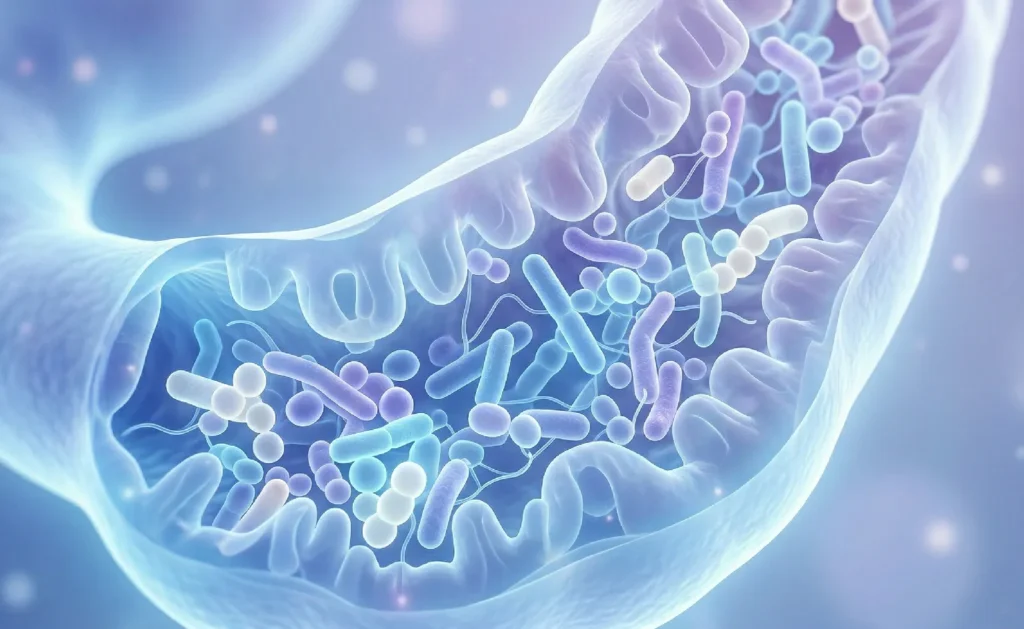
The digestive system often responds strongly during stressful periods because the gut and nervous system remain closely connected.
At Refresh Your Soul, we frequently educate clients about the relationship between stress, nervous system regulation, inflammation, and digestive wellness.
Many individuals notice digestive symptoms worsen during stressful seasons even when dietary habits remain relatively unchanged.
Understanding the Gut-Brain Axis
The gut and brain communicate constantly through the gut-brain axis, a communication network involving:
- The nervous system
- Hormones
- Immune pathways
- The gut microbiome
When the body perceives stress, the sympathetic nervous system activates the “fight-or-flight” response.
While helpful during acute situations, chronic stress activation may negatively affect:
- Digestion
- Nutrient absorption
- Gut motility
- Microbial diversity
- Inflammation regulation
- Intestinal permeability
This may contribute to symptoms such as:
- Bloating
- Constipation
- Diarrhea
- Food sensitivities
- Fatigue
- Brain fog
- Anxiety
- Poor sleep
- Digestive discomfort
The Importance of Nervous System Regulation
The parasympathetic nervous system, often called the “rest-and-digest” state, plays an important role in digestion and recovery.
Chronic stress may reduce the body’s ability to remain in this restorative state.
Supporting nervous system balance may help improve stress resilience and digestive wellness naturally.
Helpful practices may include:
- Deep diaphragmatic breathing
- Meditation
- Gentle yoga
- Walking outdoors
- Prayer or mindfulness practices
- Reducing overstimulation
- Quality sleep
- Time away from screens
- Supportive social connection
Even short moments of nervous system regulation throughout the day may positively influence overall wellness.
Nutrition and Lifestyle Support During Stress
Stressful periods often increase reliance on:
- Convenience foods
- Sugar
- Caffeine
- Irregular eating patterns
However, maintaining balanced nutrition habits may help support:
- Energy levels
- Blood sugar balance
- Inflammation regulation
- Digestive function
Helpful wellness strategies may include:
- Prioritizing hydration
- Eating adequate protein
- Supporting mineral intake
- Consuming balanced meals consistently
- Limiting excess processed foods and alcohol
- Supporting bowel regularity
- Including anti-inflammatory foods
The Role of Sleep and Recovery
Sleep plays an important role in healing and recovery.
Poor sleep may contribute to:
- Elevated cortisol levels
- Increased inflammation
- Altered appetite regulation
- Impaired immune balance
- Digestive disruption
Supporting healthy sleep habits may help improve stress resilience and digestive wellness naturally.
Gentle Detoxification and Restorative Care
The body constantly encounters environmental stressors through:
- Air pollution
- Processed foods
- Household chemicals
- Plastics
- Chronic stress
Supporting natural detoxification pathways does not require extreme cleansing protocols.
Helpful supportive practices may include:
- Sweating through exercise or sauna use
- Supporting regular bowel movements
- Staying hydrated
- Reducing toxic exposures gradually
- Improving indoor air quality
- Choosing cleaner products over time
Gentle and sustainable approaches often support better long-term wellness.
Final Thoughts
Healing is not always linear, and stressful seasons are a normal part of life.
During these periods, self-care becomes an important form of support for:
- The nervous system
- Digestive function
- Immune balance
- Overall resilience
Sometimes the most supportive healing practices are also the simplest:
- Rest
- Hydration
- Sleep
- Nourishment
- Breathing
- Connection
- Stillness
At Refresh Your Soul, we believe wellness involves learning how to support the body compassionately through every season of life.
How Does Stress Affect Gut Health?
Stress may affect digestion, gut motility, inflammation regulation, microbial balance, and intestinal permeability through the gut-brain axis and nervous system responses.
Ready to Support Your Gut Health Naturally?
Healthy lifestyle habits and nervous system support may help improve digestion, stress resilience, and overall wellness naturally.
👉 Schedule your consultation today.