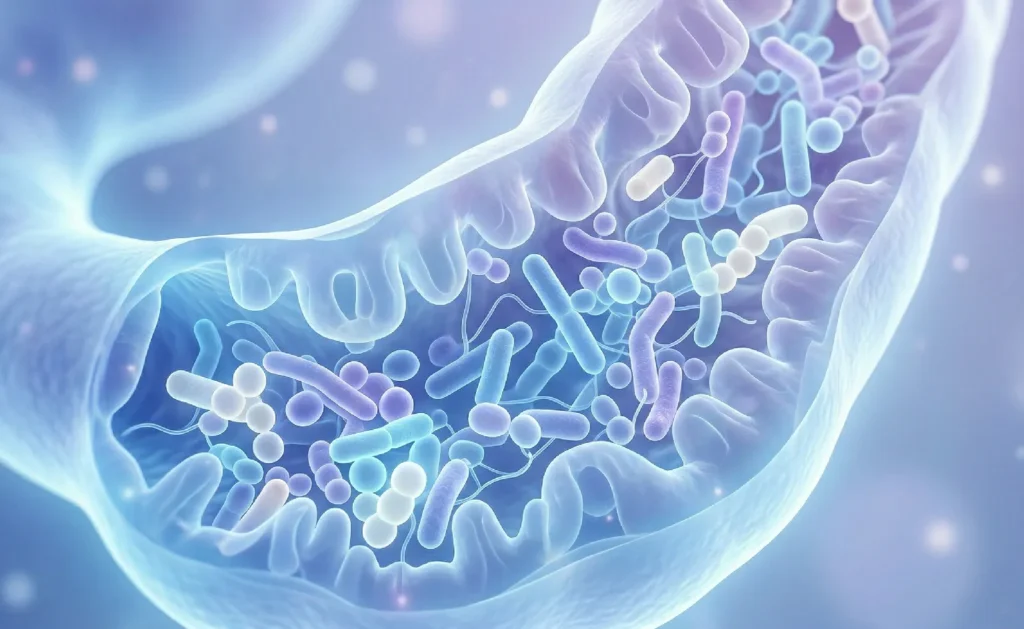

Many people focus on nutrition when thinking about digestive health. While food choices play an important role, healthy elimination is another essential component of overall digestive wellness.
Bowel movements help the body remove waste products from digestion. When elimination functions normally, many individuals experience greater digestive comfort and regularity. When bowel habits become inconsistent, symptoms such as bloating, constipation, abdominal discomfort, and feelings of incomplete evacuation may occur.
At Refresh Your Soul, we believe digestive health is influenced by multiple factors, including hydration, nutrition, movement, sleep quality, stress management, and healthy elimination patterns.
What Does Healthy Elimination Look Like?
Healthy elimination involves more than simply having a daily bowel movement.
Healthcare professionals often evaluate:
- Frequency of bowel movements
- Stool consistency
- Ease of elimination
- Complete evacuation
- Digestive comfort
Research suggests that normal bowel movement frequency can range from three times per day to three times per week depending on the individual.
Because digestive function varies from person to person, overall elimination quality is often more important than focusing on numbers alone.
Common Causes of Constipation
Constipation is one of the most common digestive concerns affecting adults.
Common symptoms may include:
- Hard stools
- Infrequent bowel movements
- Straining
- Bloating
- Abdominal discomfort
- Feelings of incomplete evacuation
Several factors may contribute to constipation.
Inadequate Hydration
Water helps maintain healthy stool consistency and supports digestive motility. Low fluid intake may contribute to harder stools and slower elimination.
Low Fiber Intake
Dietary fiber supports bowel regularity and helps nourish beneficial gut bacteria. Soluble fiber, insoluble fiber, and resistant starch all play important roles in digestive health.
Physical Inactivity
Regular movement helps support healthy gastrointestinal motility. A sedentary lifestyle may contribute to slower digestive transit time.
Chronic Stress
The gut and brain communicate continuously through the gut-brain axis. Ongoing stress may influence digestion, bowel habits, gut motility, and digestive comfort.
Lifestyle and Medication Factors
Travel, disrupted schedules, poor sleep habits, dietary changes, and certain medications may also affect bowel regularity.
The Gut-Brain Connection and Digestive Health
One often overlooked factor in digestive wellness is nervous system regulation.
The gut and brain remain connected through a communication network known as the gut-brain axis.
During periods of chronic stress, the body activates its fight-or-flight response. When this occurs, digestion may become a lower priority.
Many individuals notice increased:
- Bloating
- Constipation
- Digestive discomfort
- Irregular bowel habits
during stressful periods of life.
Supporting nervous system health may help support digestive function.
Helpful strategies include:
- Quality sleep
- Deep breathing exercises
- Mindful eating
- Time outdoors
- Stress reduction techniques
- Regular physical activity
Natural Ways to Support Healthy Elimination
Healthy bowel habits often develop through consistent daily practices.
Prioritize Hydration
Drink adequate water throughout the day to support digestive function and stool consistency.
Increase Fiber Diversity
Consume a wide variety of plant foods, including:
- Fruits
- Vegetables
- Legumes
- Seeds
- Nuts
- Whole grains
Different fiber types support both bowel regularity and microbiome diversity.
Move Your Body Daily
Walking, stretching, strength training, and other forms of movement may help support healthy digestive motility.
Support Nervous System Balance
Meditation, prayer, deep breathing, and stress management practices may positively influence digestive health.
Where Colon Hydrotherapy May Fit
Some individuals choose to incorporate colon hydrotherapy into a broader digestive wellness plan.
Colon hydrotherapy involves the gentle introduction of filtered water into the colon under the supervision of a trained practitioner.
At Refresh Your Soul, we view colon hydrotherapy as one component of a comprehensive wellness strategy that may also include:
- Functional nutrition
- Hydration support
- Lifestyle modifications
- Stress management
- Digestive education
- Wellness coaching
No single therapy replaces the importance of foundational health habits.
Final Thoughts
Healthy elimination is an important part of digestive wellness.
Hydration, fiber intake, movement, sleep, nervous system regulation, and healthy lifestyle habits all contribute to digestive comfort and bowel regularity.
By focusing on these foundational areas, individuals can support long-term digestive wellness and overall well-being.
Frequently Asked Questions
How often should you have a bowel movement?
Healthy bowel movement frequency varies among individuals and may range from three times per day to three times per week.
What causes constipation?
Common causes include low fiber intake, inadequate hydration, physical inactivity, stress, medications, and lifestyle changes.
Can stress affect bowel habits?
Yes. Stress may influence digestion, gut motility, and bowel regularity through the gut-brain connection.
Does hydration help bowel regularity?
Adequate hydration supports healthy stool consistency and digestive function.
What foods support healthy elimination?
Fiber-rich foods such as fruits, vegetables, legumes, nuts, seeds, and whole grains may help support healthy elimination.
Ready to Support Your Gut Health Naturally?
Healthy lifestyle habits and nervous system support may help improve digestion, recovery, and overall wellness naturally.
👉 Schedule your consultation today.