If you’re experiencing stool that is sticky, pasty, or difficult to wipe clean, it may indicate more than a passing issue. While this type of stool is often dismissed as “normal,” it can be a sign of digestive imbalance — particularly related to fiber intake, bile production, or microbial health.
This article explores common causes of sticky or smeary stool and offers a practical 7-day reset to support smoother, more complete bowel movements. It also highlights a lesser-known contributor: pelvic floor dysfunction.
What Causes Sticky or Pasty Stool?
Sticky stool may indicate incomplete digestion or poor absorption. The most common contributors include fiber imbalance, issues with fat digestion and bile flow, and gut microbiome disruptions.
1. Fiber Imbalance
Fiber is critical for healthy digestion, but the wrong balance or type can create problems.
- Excess insoluble fiber without enough water can lead to dry, hard, or smeary stools.
- Too much soluble fiber, especially from supplements, may result in overly soft or pasty stool.
Balancing both types is essential. Insoluble fiber adds bulk, while soluble fiber softens stool and feeds beneficial bacteria. Gradual increases, paired with proper hydration, can help normalize consistency.
2. Fat Malabsorption and Bile Flow Issues
Fat digestion depends heavily on adequate bile flow. Without enough bile, fat remains undigested in the stool, leading to greasiness or stickiness.
Signs of fat malabsorption may include:
- Sticky or hard-to-flush stools
- Floating stool or oil slicks in the toilet
- Bloating or discomfort after fatty meals
Strategies to support fat digestion include:
- Consuming bitter herbs before meals (e.g., dandelion root, gentian)
- Eating choline-rich foods (eggs, liver) to support bile production
- Using ox bile supplements under guidance, especially if the gallbladder has been removed
3. Gut Dysbiosis
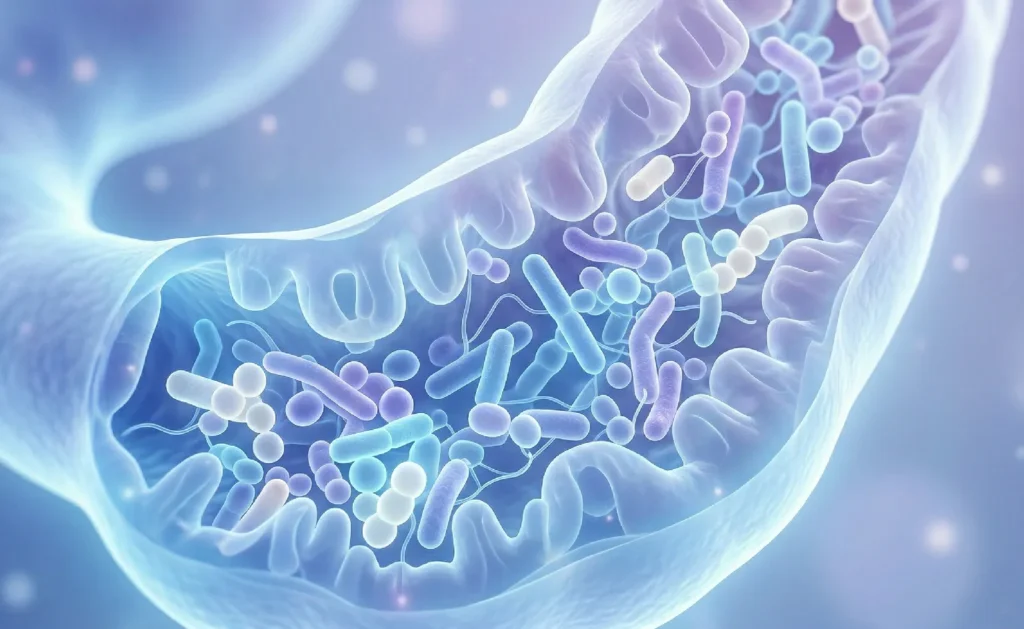
An imbalance in gut bacteria can increase mucus production and fermentation, affecting stool texture. Specific strains may interfere with bile acid metabolism, further impairing fat absorption.
To support microbial balance:
- Incorporate fermented foods such as kefir, sauerkraut, or kimchi
- Consider rotating probiotics, including Saccharomyces boulardii, Bifidobacterium lactis, and Lactobacillus plantarum
- Focus on prebiotic-rich foods like asparagus, leeks, garlic, and onions
The 7-Day Sticky Stool Reset
This reset focuses on rebalancing fiber, improving bile flow, and supporting gut flora.
Daily Guidelines:
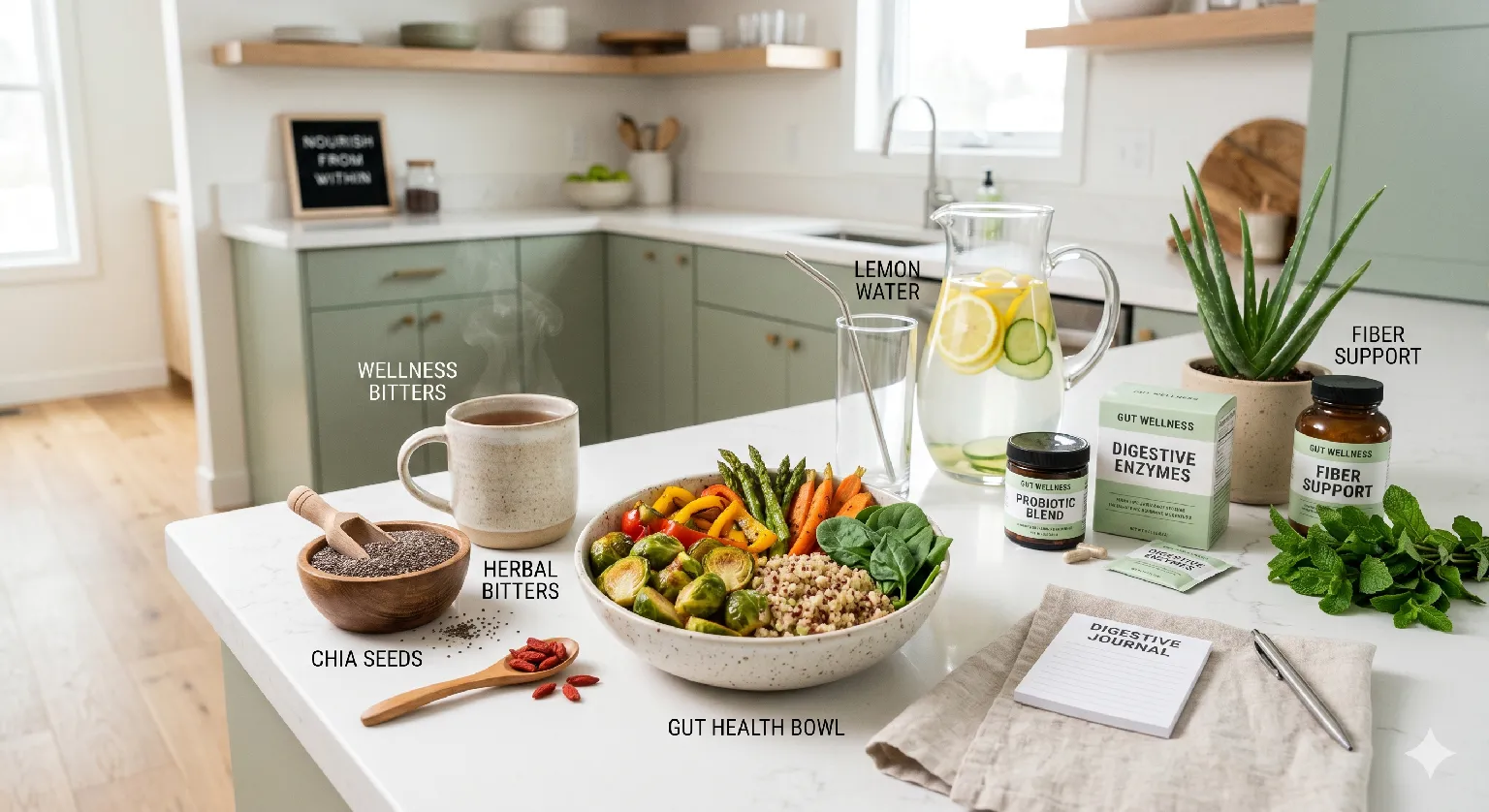
- Include both soluble (e.g., oats, chia) and insoluble (e.g., vegetables, flaxseed) fiber
- Drink at least 2.5 liters of water per day
- Add 1 tablespoon of ground flax or chia seeds
- Use bitter herbs or digestive bitters before lunch and dinner
- Choose two meals per day that contain prebiotic-rich vegetables
- Chew food thoroughly — aim for 20 to 30 chews per bite to aid mechanical digestion
Consistency is key. Most individuals see improvements within 4 to 7 days if underlying issues are mild.
Can Pelvic Floor Dysfunction Cause Sticky Stool?
Sticky stool may not only be about digestion — it can also stem from mechanical issues with elimination. If you feel like you’re not emptying completely or you need to strain or reposition to finish a bowel movement, pelvic floor dysfunction may be involved.
The pelvic floor muscles play a key role in the defecation process. Dysfunction here can result in retained stool, incomplete emptying, and sticky residue due to partial evacuation.
Signs may include:
- A sensation of blockage or incomplete evacuation
- Difficulty initiating or finishing a bowel movement
- Excessive wiping or stool leakage
If these symptoms persist, consult a healthcare provider or pelvic floor physical therapist. Targeted therapy can greatly improve bowel efficiency and reduce incomplete or sticky stools.
Conclusion
Sticky or pasty stool is often a signal that something is off in your digestion. Whether it’s poor bile flow, microbial imbalance, fiber issues, or mechanical dysfunction, the body is offering feedback. The good news is that in many cases, gentle changes to your diet, hydration, and digestive support can yield significant improvements.
Try the 7-day reset as a first step. If symptoms persist, especially alongside other gastrointestinal signs, consult with a healthcare provider to rule out deeper concerns such as fat malabsorption, SIBO, or pelvic floor issues.
References (APA Style)
Chang, L., Chey, W. D., Imdad, A., et al. (2023). American Gastroenterological Association–American College of Gastroenterology Clinical Practice Guideline: Pharmacological management of chronic idiopathic constipation. The American Journal of Gastroenterology, 118(6), 936–954.
Rome Foundation. (n.d.). Rome IV diagnostic criteria. https://theromefoundation.org
Support Your Gut Health Naturally
Digestive symptoms often provide important clues about overall wellness. Personalized nutrition and gut health support may help improve digestion and bowel function naturally.