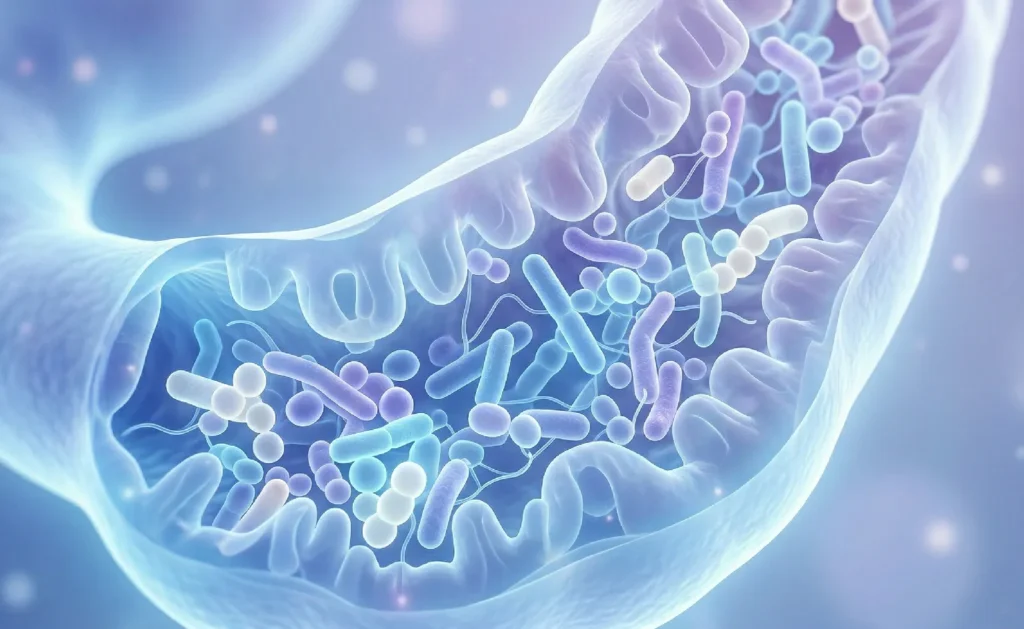

Understanding Gut Permeability
Gut permeability describes how easily substances pass through the lining of your intestines into the bloodstream. This lining acts as a smart filter—allowing nutrients, water, and electrolytes through while keeping harmful substances out.
Under normal conditions, the intestinal wall is tightly sealed by specialized cells. These cells work together to maintain a strong barrier that supports digestion, nutrient absorption, and immune balance.
However, when this barrier becomes compromised, gaps may form between the cells. This condition is often referred to as “leaky gut” or increased intestinal permeability.
When this happens, unwanted substances like toxins, bacteria, and partially digested food particles may enter circulation and trigger immune responses.
Why a Healthy Gut Barrier Is Important
Your gut lining plays a key role in several essential functions:
- Supporting immune system balance
- Helping absorb nutrients efficiently
- Reducing unnecessary inflammation
- Maintaining a healthy microbiome
- Supporting metabolic processes
Research suggests that disruptions in gut barrier function may be linked with:
- Digestive disorders such as IBS
- Autoimmune-related conditions
- Food sensitivities
- Chronic inflammation
- Metabolic imbalances
Common Factors That May Affect Gut Health
Poor diet quality
Eating highly processed foods with low fiber can negatively impact gut bacteria and barrier strength.
Ongoing stress
Chronic stress may influence digestion and weaken the gut lining over time.
Imbalanced gut bacteria
A lack of beneficial microbes may reduce protection within the gut environment.
Inflammation
Persistent inflammation can disrupt the structure of the intestinal lining.
Environmental triggers
Alcohol, certain medications, and toxins may contribute to barrier disruption.
Ways to Support a Healthy Gut Lining
Eat a variety of fiber-rich foods
Diverse plant-based foods help feed beneficial bacteria and support gut repair.
Examples include:
- Legumes and lentils
- Leafy vegetables
- Whole grains
- Fruits rich in polyphenols
Promote microbiome balance
A balanced gut microbiome helps regulate immune function and protect the gut lining.
Improve digestion habits
Eating slowly and chewing properly can support better nutrient breakdown and absorption.
Manage daily stress
Practices like walking, breathing exercises, and proper rest can support gut health.
Consider personalized support
Functional testing may help identify underlying digestive or microbial imbalances.
A Functional Approach to Gut Health
Rather than treating leaky gut as a standalone condition, a functional approach looks at root causes such as diet, stress, microbiome health, and lifestyle factors.
By addressing these areas, it’s possible to improve gut resilience and overall well-being.
Summary
Gut permeability plays a vital role in digestion, immunity, and inflammation control.
Supporting your gut through better nutrition, stress management, and lifestyle changes can help maintain a strong and healthy intestinal barrier.
References
Bischoff, S. C., Barbara, G., Buurman, W., Ockhuizen, T., Schulzke, J. D., Serino, M., … Wells, J. M. (2014). Intestinal permeability – a new target for disease prevention and therapy. BMC Gastroenterology, 14(1), 189. https://doi.org/10.1186/s12876-014-0189-7
Camilleri, M. (2019). Leaky gut: mechanisms, measurement and clinical implications in humans. Gut, 68(8), 1516–1526. https://doi.org/10.1136/gutjnl-2019-318427
Fasano, A. (2012). Intestinal permeability and its regulation by zonulin: diagnostic and therapeutic implications. Clinical Gastroenterology and Hepatology, 10(10), 1096–1100. https://doi.org/10.1016/j.cgh.2012.08.012