
Introduction
When most people think about digestive health, they focus on what they eat. While nutrition certainly plays a critical role, another important aspect of digestive wellness is often overlooked: healthy elimination.
Bowel movements are one of the body’s primary methods of removing waste products from digestion. When elimination is functioning well, many people experience greater digestive comfort and regularity. When bowel habits become inconsistent, symptoms such as bloating, abdominal discomfort, feelings of incomplete evacuation, and constipation may occur.
At Refresh Your Soul, we often remind clients that digestive wellness is not determined by a single symptom, supplement, or treatment. Instead, digestive health is influenced by a combination of hydration, nutrition, movement, stress management, sleep, and healthy elimination patterns.
Understanding these factors can help individuals support their digestive system in a sustainable and realistic way.
What Does Healthy Elimination Look Like?
Many people assume that having a bowel movement every day automatically means digestion is functioning optimally. However, digestive health involves more than frequency alone.
Healthcare providers often consider factors such as:
- Frequency of bowel movements
- Stool consistency
- Ease of elimination
- Feelings of complete evacuation
- Presence of digestive symptoms
Normal bowel habits can vary from person to person. Research suggests that healthy bowel movement frequency may range from three times per day to three times per week, depending on the individual (Rao et al., 2016).
Because digestive function is highly individualized, evaluating the overall quality of elimination is often more informative than focusing solely on numbers.
Constipation: A Common Digestive Concern
Constipation affects millions of adults and is one of the most common digestive complaints worldwide (Bharucha & Lacy, 2020).
Symptoms may include:
- Infrequent bowel movements
- Hard stools
- Straining
- Feelings of incomplete evacuation
- Abdominal discomfort
- Bloating
While occasional constipation is common, chronic constipation may significantly impact quality of life and overall well-being.
Several factors can contribute to constipation, including:
Inadequate Hydration
Water plays an important role in stool consistency and intestinal motility. Insufficient fluid intake may contribute to harder stools and more difficult elimination.
Low Fiber Intake
Dietary fiber supports bowel regularity and helps nourish beneficial gut bacteria. Different forms of fiber—including soluble fiber, insoluble fiber, and resistant starch—each contribute uniquely to digestive health.
Physical Inactivity
Movement supports normal gastrointestinal motility. Reduced activity levels may contribute to slower transit time and decreased bowel regularity.
Chronic Stress
The digestive system and nervous system communicate continuously through the gut-brain axis. Research suggests that chronic stress may influence digestive function, gut motility, and bowel habits (Cryan et al., 2019).
Medications and Lifestyle Factors
Certain medications, travel, disrupted routines, poor sleep, and dietary changes may also influence elimination patterns.
The Gut-Brain Connection and Elimination
One of the most overlooked influences on digestion is the nervous system.
The gut and brain communicate through a complex network known as the gut-brain axis. During periods of chronic stress, the body activates the sympathetic nervous system, commonly known as the “fight-or-flight” response.
When the body is focused on survival, digestion may become a lower priority. Research has demonstrated that stress can influence digestive secretions, gut motility, microbial balance, and overall gastrointestinal function (Foster & McVey Neufeld, 2013).
This is one reason many individuals notice increased bloating, constipation, digestive discomfort, or irregular bowel habits during stressful seasons of life.
Supporting digestive health often includes supporting nervous system regulation through:
- Adequate sleep
- Deep breathing practices
- Time outdoors
- Stress management
- Mindful eating
- Regular movement
Supporting Healthy Elimination Naturally
Healthy bowel habits are often supported through foundational lifestyle practices.
Prioritize Hydration
Adequate hydration helps support stool consistency and digestive function.
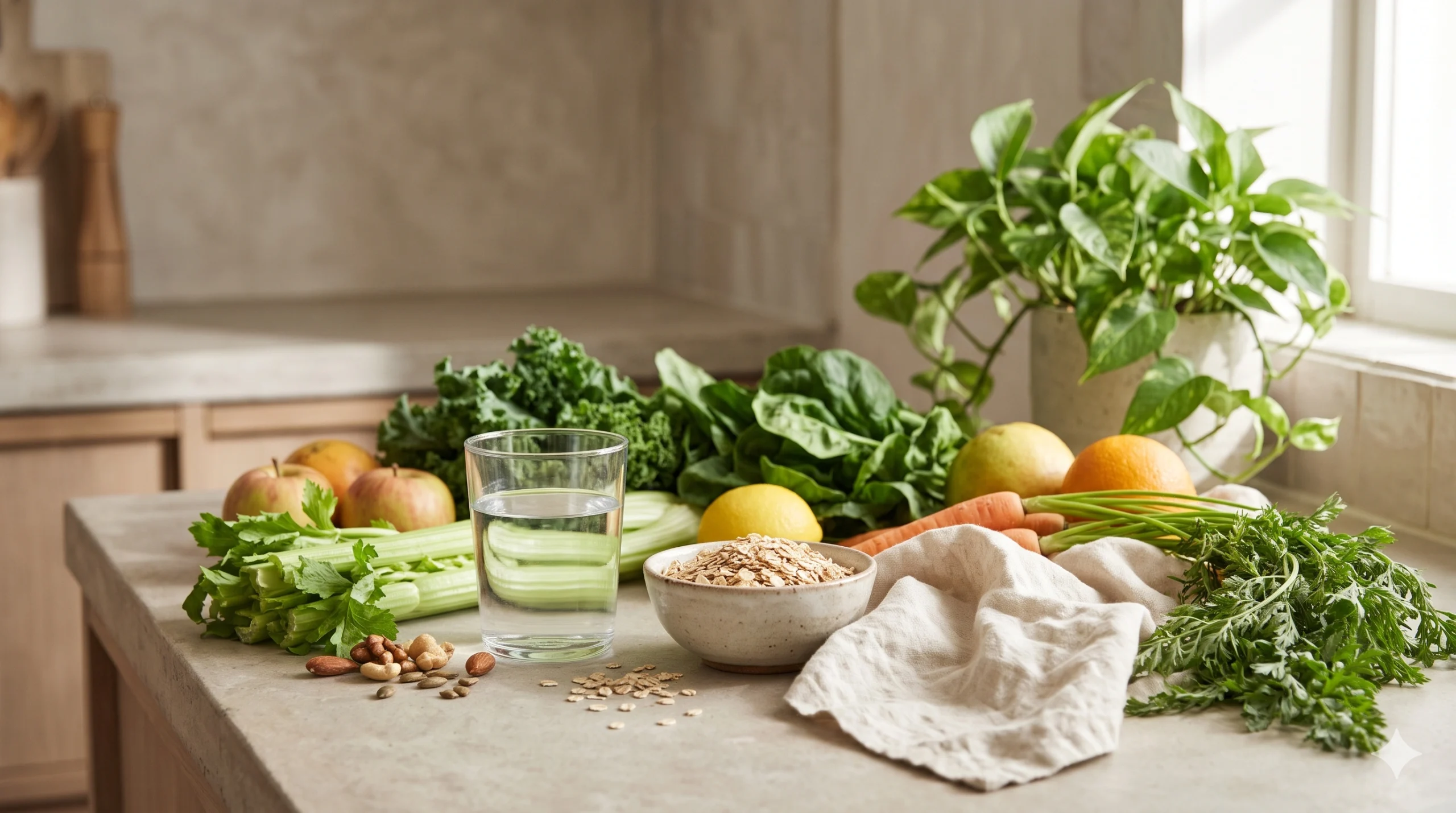
Increase Fiber Diversity
Consuming a variety of plant foods provides different types of fiber that support bowel regularity and microbiome diversity.
Examples include:
- Fruits
- Vegetables
- Legumes
- Seeds
- Nuts
- Whole grains
Move Your Body Regularly
Walking, stretching, resistance training, and other forms of movement may help support healthy gastrointestinal motility.
Support Your Nervous System
Simple practices such as deep breathing, meditation, prayer, and reducing overstimulation may help support both digestive and nervous system function.
Where Colon Hydrotherapy May Fit
Colon hydrotherapy is one wellness modality that some individuals choose to incorporate into a broader digestive health program.
Colon hydrotherapy involves the gentle introduction of filtered water into the colon under the supervision of a trained practitioner. It is often utilized by individuals seeking support for digestive comfort, bowel regularity, and overall wellness.
It is important to note that colon hydrotherapy is not intended to diagnose, treat, cure, or prevent disease. Research on colon hydrotherapy remains limited, and additional studies are needed to better understand its effects and long-term outcomes.
At Refresh Your Soul, we view colon hydrotherapy as one component of a comprehensive wellness approach that also includes:
- Nutrition support
- Hydration
- Stress management
- Lifestyle modifications
- Digestive health education
- Functional wellness strategies
No single therapy replaces the importance of foundational health habits.
Final Thoughts
Digestive wellness involves much more than simply having a bowel movement. Healthy elimination is influenced by hydration, nutrition, movement, nervous system regulation, sleep, and daily lifestyle habits.
By focusing on these foundational areas, individuals can support digestive comfort, bowel regularity, and overall well-being.
At Refresh Your Soul, we believe that education empowers individuals to make informed decisions about their health. Our goal is to provide supportive, evidence-informed wellness services that help clients better understand their bodies and create sustainable habits for long-term digestive health.
References
Bharucha, A. E., & Lacy, B. E. (2020). Mechanisms, evaluation, and management of chronic constipation. Gastroenterology, 158(5), 1232–1249. https://doi.org/10.1053/j.gastro.2019.12.034
Cryan, J. F., O’Riordan, K. J., Cowan, C. S. M., Sandhu, K. V., Bastiaanssen, T. F. S., Boehme, M., … & Dinan, T. G. (2019). The microbiota-gut-brain axis. Physiological Reviews, 99(4), 1877–2013.
Foster, J. A., & McVey Neufeld, K. A. (2013). Gut-brain axis: How the microbiome influences anxiety and depression. Trends in Neurosciences, 36(5), 305–312.
Rao, S. S. C., Rattanakovit, K., & Patcharatrakul, T. (2016). Diagnosis and management of chronic constipation in adults. Nature Reviews Gastroenterology & Hepatology, 13(5), 295–305.