
November 2026 Evidence Based Gut Health Series
What human research suggests about fiber fermented foods dietary variety and individualized tolerance
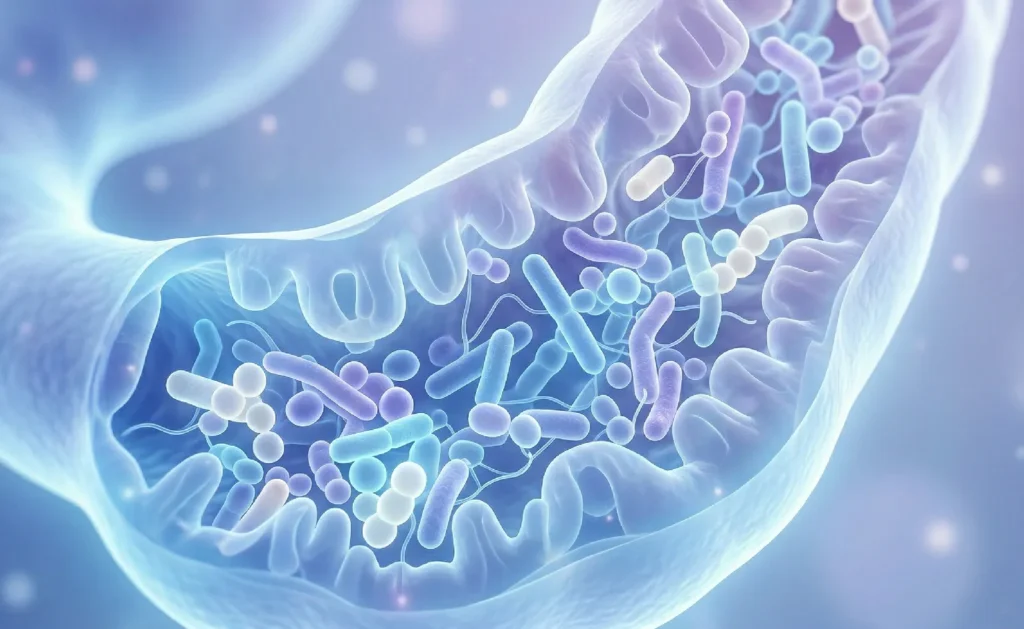
The gut microbiome is the community of microorganisms and their genetic material living in the gastrointestinal tract. Diet can influence that ecosystem, but there is no single food plan that produces the same microbiome response in every person. Current research supports dietary patterns rich in varied plant foods and, when tolerated, fermented foods. It also shows why changes should be gradual and individualized.
This is especially important during a structured digestive-health protocol or the holiday season. More restriction is not automatically better. The goal is to provide adequate nourishment, maintain hydration and bowel regularity, and choose foods the individual can digest comfortably.
Fiber Feeds Microbial Metabolism
Many fibers reach the colon without being fully digested in the small intestine. Gut microbes can ferment some of these carbohydrates and produce metabolites, including short-chain fatty acids such as acetate, propionate, and butyrate. These compounds participate in colonic energy metabolism, immune signaling, and maintenance of the intestinal environment.
Different plants provide different fibers and phytochemicals. Vegetables, fruit, legumes, whole grains, nuts, seeds, herbs, and spices can therefore support dietary diversity. However, a person with severe bloating, altered motility, active diarrhea, a stricture, or another gastrointestinal condition may need a modified amount or type of fiber. The phrase “eat more fiber” is incomplete without considering tolerance and medical context.
Fermented Foods and Human Evidence
In a 17-week randomized prospective study, Wastyk and colleagues compared diets high in fermented foods with diets high in fiber in healthy adults. The fermented-food group showed increased microbiota diversity and reduced levels of several inflammatory markers. The high-fiber group showed increased capacity for microbial carbohydrate processing, but microbiota diversity did not increase across the group during the study period.
The findings are interesting, but they do not prove that fermented foods treat parasites, repair every gut disorder, or benefit every individual. The study was small, included healthy adults, and examined specific dietary interventions. Fermented foods may also aggravate symptoms for some people, including those who are sensitive to histamine or who do not tolerate particular products.
Food Variety Is More Useful Than a Superfood List
Microbiome research often finds associations between dietary patterns and microbial features, but association is not the same as a guaranteed clinical outcome. A practical approach is to build variety across the week rather than rely on one powder, probiotic, or “gut-healing” food.
- Rotate tolerated vegetables and fruits rather than eating the same few choices every day.
- Include legumes, intact whole grains, nuts, or seeds in amounts that fit the person’s digestion and medical needs.
- Use herbs and spices to increase plant variety without requiring a large volume of food.
- Consider fermented foods in small portions when they are appropriate and well tolerated.
- Increase fiber gradually and drink adequate fluid, particularly when constipation is present.
Holiday Eating Without an All or Nothing Mindset
A holiday meal does not erase weeks of consistent habits. For many people, a steadier plan works better than rigid restriction followed by overeating. Eating regular meals, including protein, choosing a few fiber-rich foods, staying hydrated, and returning to the usual routine at the next meal can support digestion without turning food into a moral test.
People following a medically necessary elimination diet, preparing for a laboratory test, taking prescription medication, or managing an active gastrointestinal condition should follow the instructions specific to that situation. General microbiome advice should not override individualized clinical guidance.
Food During and After a Parasite Protocol
Diet can support energy intake, hydration, stool consistency, and overall nutritional status, but food should not be presented as a substitute for indicated antiparasitic treatment. Likewise, there is no single “parasite diet” proven to eradicate all intestinal parasites. The organism, treatment, symptoms, nutrient status, and tolerance all matter.
After treatment, persistent digestive symptoms may reflect several possibilities, including temporary changes in digestion, post-infectious symptoms, medication effects, ongoing infection, or an unrelated condition. Rather than assuming the microbiome simply needs more supplements, reassessment can help determine the next step.
The Refresh Your Soul Approach
Within the Core CLEAR™ Method, we use nutrition as an individualized tool. We look at what a person is eating, whether they are eating enough, how food affects symptoms, and how the plan fits their medical care and laboratory findings. The most useful plan is nutritionally adequate, realistic, and adjusted as new information becomes available.
References
Wastyk, H. C., et al. (2021). Gut microbiota-targeted diets modulate human immune status. Cell, 184(16), 4137-4153.e14. Source
Makki, K., Deehan, E. C., Walter, J., & Backhed, F. (2018). The impact of dietary fiber on gut microbiota in host health and disease. Cell Host and Microbe, 23(6), 705-715. Source
Fragiadakis, G. K., et al. (2020). Long-term dietary intervention reveals resilience of the gut microbiota despite changes in diet and weight. American Journal of Clinical Nutrition, 111(6), 1127-1136. Source
National Human Genome Research Institute. (2026). Microbiome. Source
Important Health Information
This article is for educational purposes and does not diagnose, treat, or replace medical care. Parasite testing and treatment decisions should be made with an appropriately licensed healthcare professional. Seek prompt medical care for severe or persistent diarrhea, blood in the stool, fever, dehydration, severe abdominal pain, unexplained weight loss, or symptoms after significant travel or exposure.