
When we think about improving gut health, we often focus on the foods we eat, the supplements we take, or how much water we drink. While these factors are important, there’s another piece of the puzzle that is often overlooked: timing. Emerging research shows that your digestive system follows a natural 24-hour cycle, known as the circadian rhythm, which influences everything from digestion and nutrient absorption to the health of your gut microbiome.
Your circadian rhythm is your body’s internal clock. Located in the brain, this master clock is primarily regulated by exposure to light and darkness. However, many organs including the gastrointestinal tract have their own internal clocks that help coordinate digestive processes throughout the day. These “peripheral clocks” influence when digestive enzymes are released, how quickly food moves through the digestive tract, and even how the cells lining your intestines repair themselves.
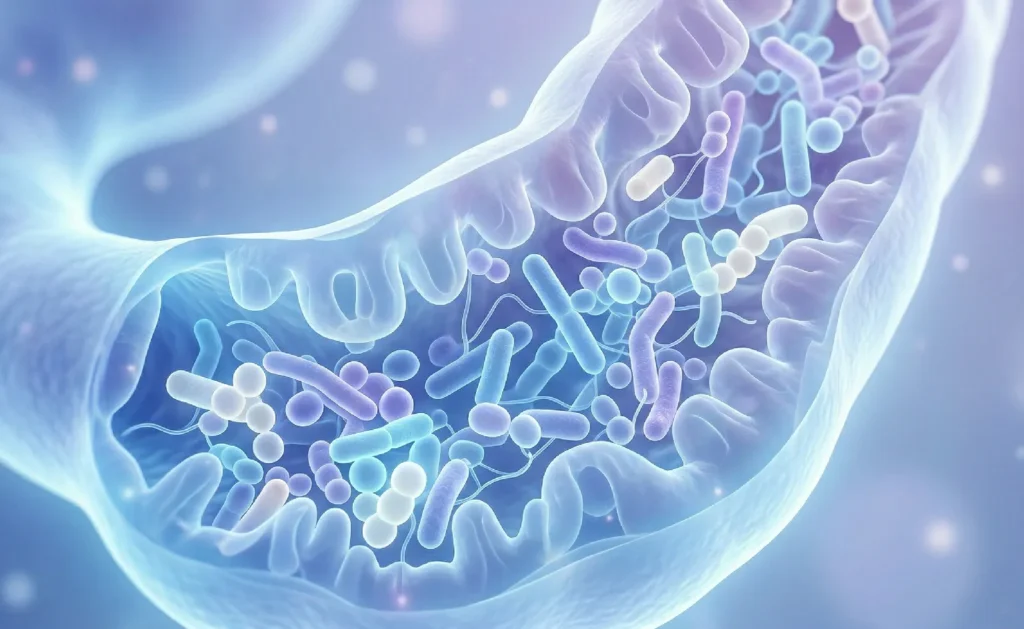
One of the most fascinating discoveries in recent years is that the gut microbiome also follows a daily rhythm. The trillions of bacteria living in your digestive tract become more or less active depending on the time of day. These microbes help break down food, produce beneficial compounds called short-chain fatty acids, support immune function, and maintain the integrity of the intestinal barrier. Research suggests that irregular sleep schedules, frequent late-night eating, and shift work may disrupt these natural microbial cycles, potentially affecting digestive health over time.
Sleep also plays a critical role in maintaining a healthy gut. During the night, your body shifts from digestion to repair. The intestinal lining renews itself, immune cells help regulate inflammation, and the gut barrier works to maintain its protective function. While an occasional late night is unlikely to have lasting effects, chronic sleep disruption may contribute to digestive symptoms such as bloating, constipation, or changes in bowel habits.
Fortunately, supporting your body’s natural rhythm doesn’t require complicated protocols. Small, consistent habits can have a meaningful impact on digestive health. Eating meals at regular times, limiting late-night snacking, getting morning sunlight, engaging in regular physical activity, and aiming for seven to nine hours of quality sleep each night all help reinforce your body’s internal clock.
The goal isn’t perfection, it’s consistency. Your digestive system is designed to work in harmony with your daily rhythms. By supporting those rhythms, you create an environment where your gut microbiome, digestive system, and overall health can thrive.
Key Takeaways
- Your digestive system follows a natural 24-hour circadian rhythm.
- The gut microbiome becomes more and less active throughout the day.
- Quality sleep supports intestinal repair, immune function, and gut barrier health.
- Consistent meal timing and healthy sleep habits may help support optimal digestion.
- Small daily routines can make a meaningful difference in long-term gut health.
References
Thaiss, C. A., Zeevi, D., Levy, M., Zilberman-Schapira, G., Suez, J., Tengeler, A. C., … & Elinav, E. (2014). Transkingdom control of microbiota diurnal oscillations promotes metabolic homeostasis. Cell, 159(3), 514–529. https://doi.org/10.1016/j.cell.2014.09.048
Voigt, R. M., Summa, K. C., Forsyth, C. B., Green, S. J., Engen, P., Naqib, A., … & Keshavarzian, A. (2016). The circadian clock mutation promotes intestinal dysbiosis. Alcoholism: Clinical and Experimental Research, 40(2), 335–347. https://doi.org/10.1111/acer.12943
Zarrinpar, A., Chaix, A., Yooseph, S., & Panda, S. (2014). Diet and feeding pattern affect the diurnal dynamics of the gut microbiome. Cell Metabolism, 20(6), 1006–1017. https://doi.org/10.1016/j.cmet.2014.11.008