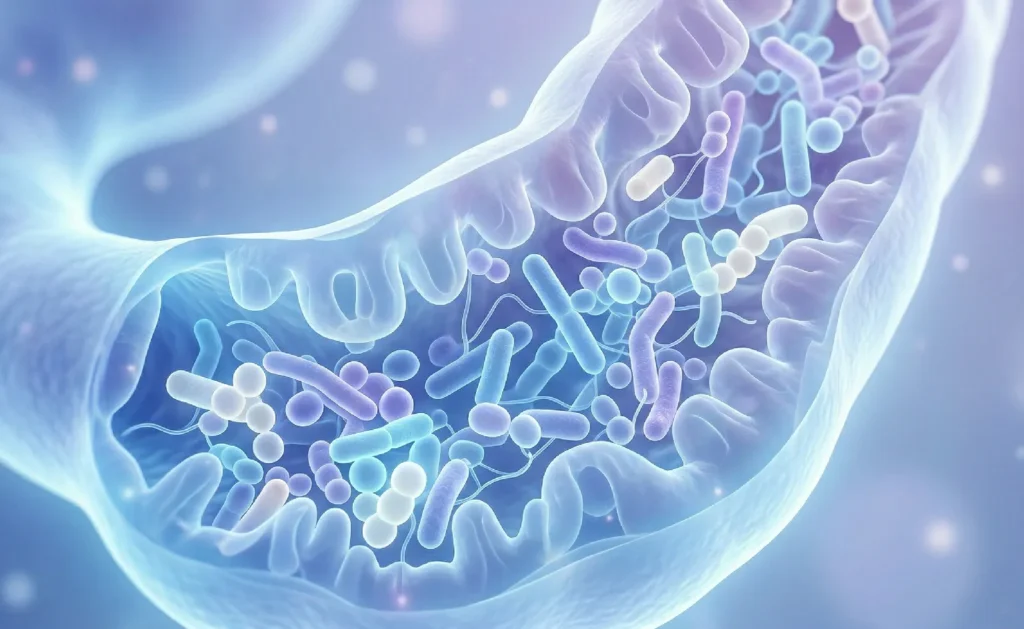
Have you ever wondered why your digestive system needs a break between meals? While nourishing your body with healthy foods is important, your gut also relies on periods of rest to perform one of its most important functions—the Migrating Motor Complex (MMC).
The Migrating Motor Complex is often called the digestive system’s “housekeeping wave.” It is a series of coordinated muscle contractions that occurs in the stomach and small intestine during periods when you’re not eating. Unlike the contractions that move food through your digestive tract after a meal, the MMC works between meals to clear away leftover food particles, bacteria, and digestive secretions. Think of it as your gut’s overnight cleaning crew, sweeping the digestive tract to prepare for the next meal.
This cleansing process typically begins about 90 to 120 minutes after eating and continues until food is consumed again. Every time we eat—even a small snack—the MMC pauses so the body can focus on digestion. Once digestion is complete, the housekeeping cycle resumes.
A healthy Migrating Motor Complex plays an important role in maintaining balance within the small intestine. By helping move bacteria and undigested material toward the large intestine, it supports normal digestive function and helps prevent excessive bacterial buildup where it doesn’t belong. Researchers have found that impaired motility may contribute to conditions such as Small Intestinal Bacterial Overgrowth (SIBO), although it is only one of several factors involved. Supporting healthy gut motility is just one piece of a comprehensive approach to digestive wellness.
The MMC is influenced by more than just meal timing. Chronic stress, inadequate sleep, certain medications, and disruptions in the gut-brain connection may all affect how efficiently these cleaning waves function. Because the digestive system is closely connected to the nervous system through the vagus nerve, prolonged stress can slow digestive motility in some individuals.
Fortunately, there are several simple habits that may help support healthy digestive motility:
- Allow adequate time between meals when appropriate for your individual health needs.
- Prioritize quality sleep, as restorative sleep supports many digestive processes.
- Stay well hydrated throughout the day.
- Include regular physical activity, such as walking, to encourage healthy bowel movement.
- Practice stress-management techniques like deep breathing, meditation, or gentle yoga to support the gut-brain connection.
It’s important to remember that there is no one-size-fits-all approach to meal timing. Some individuals have medical conditions or nutritional needs that require more frequent meals. The goal is not to avoid eating but to develop a personalized approach that supports both nutrition and healthy digestion.
Your digestive system is constantly working to keep you healthy—even between meals. By understanding the role of the Migrating Motor Complex and supporting your body’s natural digestive rhythms, you can help create an environment that promotes healthy motility, a balanced gut microbiome, and overall digestive wellness.
Key Takeaways
- The Migrating Motor Complex (MMC) is the digestive system’s natural housekeeping process.
- It occurs between meals to help clear food residue, bacteria, and digestive secretions from the stomach and small intestine.
- Healthy gut motility supports normal digestive function and contributes to a balanced intestinal environment.
- Stress, poor sleep, and irregular eating patterns may influence digestive motility.
- Healthy digestion depends on both proper nourishment and allowing the digestive system time to complete its natural cleaning cycles.
References
Camilleri, M., Chedid, V., Ford, A. C., Haruma, K., Horowitz, M., Jones, K. L., … & Park, S. Y. (2018). Gastroparesis. Nature Reviews Disease Primers, 4(1), 41. https://doi.org/10.1038/s41572-018-0038-z
Deloose, E., Janssen, P., Depoortere, I., & Tack, J. (2012). The migrating motor complex: Control mechanisms and its role in health and disease. Nature Reviews Gastroenterology & Hepatology, 9(5), 271–285. https://doi.org/10.1038/nrgastro.2012.57
Pimentel, M., Rezaie, A., Rao, S. S. C., Park, S., Bhagatwala, J., Barlow, G. M., … & Weitsman, S. (2020). The American College of Gastroenterology Clinical Guideline for Small Intestinal Bacterial Overgrowth. The American Journal of Gastroenterology, 115(2), 165–178. https://doi.org/10.14309/ajg.0000000000000501